
Property Survey Cost for Homes With Multiple Structures
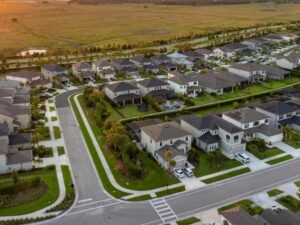 A survey on a bare lot is fairly simple. Add a house, a garage, a barn, and a shed, and the job grows. Each building gives the surveyor more to map. That extra work can raise the property survey cost.
Many owners are surprised by the price because they expect one flat rate for any property. However, property survey cost can change when several buildings and improvements need to be measured and shown on the survey. More structures can mean additional fieldwork, research, and drafting.
Here is the short version. Your property survey cost depends on size, buildings, and the records behind them. Knowing what drives the price helps you plan. It also helps you avoid a bill you did not expect.
What Affects Property Survey Cost for Multiple Structures
A property survey maps your land and what sits on it. The price is not fixed. It rises and falls based on a few clear factors. Knowing them helps you judge a fair quote.
Lot size is the first factor. A larger parcel takes more time to walk and measure. The shape matters too, since an odd shape has more corners. More corners means more points to set.
A property boundaries are especially important when a home has multiple structures. The surveyor may need to locate the house, garage, barn, shed, and other improvements in relation to those boundaries. The more structures that must be measured and mapped, the more fieldwork and drafting may be involved, which can increase the property survey cost.
How Buildings and Improvements Increase Surveying Complexity
Every structure gives the surveyor more to record. They measure the outline of each one and note the distance from each building to the property line. The surveyor may also review survey records to compare existing property information with what is found in the field. This helps document where the structures sit in relation to the property boundaries and identify anything that may cross a boundary line.
Improvements beyond buildings count as well. Driveways, pools, decks, and fences all take time to map. A fence that wanders off the line can raise questions. The surveyor must sort out where it really belongs.
Older properties can be the trickiest. They may hold add-ons built over many years. Some may lack clear permits or records. Untangling that history takes extra effort, and that effort shows up in the price.
Boundary Research Needed Around Homes, Garages, and Outbuildings
Good survey work starts in the records, not the field. The surveyor pulls the deed and old plats. They study past surveys if any exist. This research sets the frame for the whole job.
Multiple buildings raise the stakes for this step. A garage or shed may sit near a shared line. If it crosses over, that is called an encroachment. Finding it early saves you from a fight with a neighbor later.
The research also checks for easements. An easement is a right for others to use part of your land. A utility strip or a shared driveway is common. A building placed on an easement can cause real trouble down the road.
When Topographic or Additional Survey Work May Be Required
A basic survey shows lines and buildings. Some projects need more than that. A topographic survey adds the shape of the land. It maps slopes, high spots, and low spots.
You may need this for a new addition or a pool. Builders use the ground data to plan grading and drainage. It matters most on lots that hold water or sit near a slope. This extra work adds to the total cost.
Other add-ons can raise the price too. An elevation certificate may be needed in a flood zone. Utility mapping may be needed before you dig. Ask your surveyor which services your project truly requires.
Planning Survey Costs Before Buying or Improving Property
Get a quote early, before you make big plans. A clear scope helps the surveyor price the job well. Tell them how many structures sit on the land. Share your goal, whether it is buying, building, or fixing a boundary.
Ask what the quote includes and what it leaves out. Some prices cover a basic map only. Others include research, corner markers, and a signed drawing. Knowing this avoids a gap between what you pay and what you get.
Costs can vary by property type, lot size, records, and project scope. Confirm your survey needs early, since timing can affect your closing or permit. A good survey is an upfront cost that saves money later. It protects your purchase and your plans.
For a free land surveying quote, call us at (561) 220-7505 or send us a message by going here.
Posted in land surveying, land surveyor | Tagged cost of land surveying, estimating the cost of land surveying, land surveying cost, land surveying cost West Palm Beach