
How Much Can Site Access Affect Land Survey Cost?
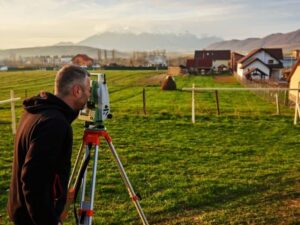
A survey crew can lose half a day before it sets up a single instrument. Locked gates, thick brush, and unclear directions all eat into field time, and field time is the biggest driver of land survey cost. On an open, easy lot, access might add nothing to your quote. On a hard-to-reach parcel, it can add hours or even extra days of crew work.
The good news is that many access problems are within your control. If you clear paths, unlock gates, and share what you know about the site early, your surveyor can give you a more accurate quote. This guide explains how access affects cost and what you can do before the crew shows up.
Why Site Access Can Change Land Survey Cost
Site access changes land survey cost because most of the fee comes from crew hours in the field. Site access means how easily a crew can reach the property, move around it, and see the points it needs to measure. When access is easy, the crew works fast and the price stays close to the base rate.
When access is hard, every task takes longer. A crew may need to carry equipment in by hand, cut sight lines through brush, or wait for someone to open a gate. Many firms price these jobs with a higher estimate or bill extra field time by the hour, so you pay for the delay either way.
Office work can grow too. If the crew can’t reach a corner, the surveyor may need more research or extra measurements to prove where that corner sits. That effort happens at a desk, but it still shows up on the invoice.
Access Conditions That Increase Fieldwork Time
Some access problems are obvious, and others only appear on survey day. Crews often lose time to issues the owner never thought to mention. These conditions stretch fieldwork most often:
- Locked gates, missing codes, or guarded entries with no visitor pass arranged
- Dogs or livestock that keep the crew out of part of the property
- No driveway or trail to reach the back of a large parcel
- Tenants or businesses that limit when crews can work
- Active construction with equipment or stockpiles blocking key areas
Each of these can turn a one-visit job into two trips. A return trip usually brings a second mobilization charge, which covers the cost of getting the crew and gear back to the site. One phone call before the visit can often prevent it.
How Terrain and Obstacles Affect Survey Crews
Terrain affects land survey cost because it controls how fast a crew can move and how well its instruments can see. Surveyors need clear lines of sight between their equipment and the points they measure. Dense trees, steep banks, and standing water all get in the way.
Vegetation and Sight Lines
Thick vegetation is one of the most common cost drivers. GPS receivers can struggle under heavy tree cover, so crews may switch to a total station, a ground instrument that measures angles and distances. That method needs open lines between points, and crews sometimes have to cut narrow paths to get them.
Water and Soft Ground
Wet ground slows everything down. Crews may need waders or a longer walking route to reach a corner near a canal, pond, or marsh. Some wet areas also have limits on clearing, so crews may need extra setups to work around them instead of through them.
Structures and Buried Markers
Sheds, pools, fences, and parked cars can block a straight shot to a property corner. Corner markers, often iron rods or pipes set in the ground, may be buried under fill, sod, or pavers. Finding them can take careful digging and metal detecting, and that time adds up fast.
Survey Type and Site Access Requirements
The type of survey you order sets how much of the property the crew must reach. A boundary survey focuses on corners and property lines. A topographic survey, which maps ground elevations and site features, needs measurements across the whole site, so poor access hurts it more.
ALTA/NSPS surveys used in commercial deals often require access to buildings, parking areas, utility structures, and visible signs of easements. Construction staking needs repeat visits through a project, so access problems can cost you more than once. An elevation certificate requires the crew to reach the building and certain equipment, such as AC units, to measure their heights.
Requirements can vary by lender, title company, county, and project scope. Ask your surveyor which areas they must reach for your specific job. That answer tells you exactly where to focus your prep work.
Planning Site Access Before Survey Work Begins
The best way to control land survey cost is to plan access before the crew is scheduled. Share what you know about the site when you request a quote. A surveyor who knows about the locked back gate or the flooded corner can price the job more accurately.
Before the visit, take care of these items:
- Provide gate codes, keys, or a contact who can let the crew in
- Tell tenants, neighbors, or association managers that a crew is coming
- Secure pets and move vehicles away from property lines
- Mow tall grass along known lines where you can do it safely
- Share old surveys, plats, or deed maps you already have
Leave any corner markers exactly where they are, even if they look out of place. Avoid clearing past a line you’re unsure about, since cutting on a neighbor’s side can start a dispute. If closing, permitting, or construction depends on the survey, confirm access needs early so delays don’t push back your schedule.
Frequently Asked Questions
How much more does a survey cost on a hard-to-reach property?
There’s no fixed markup, because every site and firm is different. The added cost depends on how many extra crew hours the access issues create. A small delay might add little, while heavy clearing or a second trip can raise the price quite a bit. Ask your surveyor how they bill for extra field time before you sign.
Will the surveyor clear brush for me?
Many crews will cut narrow sight lines as part of the job. Larger clearing is usually billed at crew rates, which can cost more than hiring a landscaper. Some owners save money by clearing along known lines before the visit. Check with your surveyor first so you don’t clear the wrong area.
Do I need to be home during the survey?
You usually don’t need to be there if the crew can get in on its own. You’ll need to provide gate codes, keys, or a contact person for any locked areas. Pets should be secured, and anyone living on the site should know a crew is coming. Your surveyor can tell you if your job needs you present.
Can a surveyor step onto my neighbor’s land?
Rules on entering nearby property can vary by state and situation. Crews sometimes need to reach a shared corner or take measurements from next door. A quick heads-up to your neighbor often prevents confusion or a refusal. If you expect a problem, mention it when you request a quote.
Can bad weather affect site access and cost?
Yes, weather can change access quickly. Heavy rain can flood low areas, soften ground, and hide corner markers under water. Crews may need to reschedule, which can push back your timeline. Build in extra time if your survey falls during a rainy stretch.
For a free land surveying quote, call us at (561) 220-7505 or send us a message by going
here.
Posted in land surveying, land surveyor Tagged cost of land surveying, estimating the cost of land surveying, land surveying cost, land surveying cost West Palm Beach