
Home Survey Cost for Lots With Several Site Features
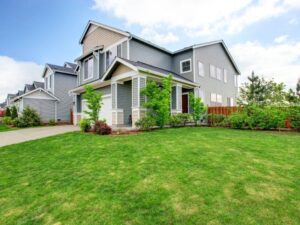 Home survey cost often depends on the number of existing features on a property. Two houses on the same street can get very different survey quotes. A lot with a pool, a detached garage, a long fence line, and thick hedges along the back will typically cost more to survey than the bare lot next door. That difference surprises many homeowners and buyers, but it comes down to the time needed for fieldwork and property records research. Understanding which features affect survey pricing can help you provide accurate property details and receive a more reliable quote.
How Existing Site Features Influence Home Survey Cost
Home survey cost rises with every feature a surveyor has to locate and show on the drawing. A boundary survey finds the property lines, but most residential surveys also map improvements like buildings, driveways, fences, pools, and walls. Each of those items takes measurements, and each one has to be checked against the lines to spot encroachments.
An encroachment is anything that crosses a property line or sits inside an easement or setback where it shouldn’t. A lender, title company, or permit office may want those conditions shown clearly. More features mean more chances for a conflict, so the surveyor spends more time confirming exactly where each one sits.
The type of survey matters too. A simple boundary survey costs less than a survey that adds elevations or a full topographic map. Requirements can vary by lender, title company, municipality, county, and project scope, so ask whoever needs the survey what they expect before you order it.
Surveying Lots With Driveways, Fences, and Detached Structures
Driveways, fences, and detached buildings are the most common reasons a residential survey takes longer. A driveway that runs close to a side line needs careful measurement, especially if it’s shared or curves onto a neighbor’s lot. Fences are tricky because they often wander from the true line over the years.
Detached structures add their own work. A shed, garage, guest cottage, or pool house each needs its corners located and its distance from the lines measured. Pools, decks, and screen enclosures usually get the same treatment.
Expect your surveyor to show how far each structure sits from the nearest line. That detail helps if you plan to sell, refinance, or pull a permit later. If you already know a fence or shed might be close to the line, say so upfront so the crew plans extra time.
How Landscaping and Limited Access Affect Fieldwork
Thick landscaping slows a survey crew down more than most people expect. Hedges, palms, vines, and mature trees can block the line of sight between instruments. Crews may need extra setups or have to work around plants to reach a corner marker.
Access is the other big factor. Locked gates, dogs in the yard, fenced backyards, and tight side yards all cost time. A crew that can’t get to the rear corners may need to come back, and return trips raise the price.
You can help in a few simple ways. Unlock gates, secure pets, and tell your surveyor about any areas that are hard to reach. If a neighbor’s yard must be crossed to find a marker, letting them know ahead of time can prevent delays on survey day.
Property Records and Boundary Research That Influence Survey Pricing
Research happens before the crew ever arrives, and it affects home survey cost as much as fieldwork does. The surveyor reviews deeds, recorded plats, prior surveys, and nearby surveys to understand where the lines should be. Clean, recent records make that step faster.
Older or unclear records take more time. A legal description that doesn’t match the plat, missing corner markers, or conflicting neighboring surveys can mean extra research and extra measurements. The surveyor may need to find markers on nearby lots to rebuild your lines accurately.
Easements and recorded restrictions also add review time. Utility and drainage easements often run along rear or side lines, right where fences and sheds tend to go. If you have a title commitment, share it so the surveyor can check those items against the ground.
What to Include When Requesting a Residential Survey Estimate
The more you share, the more accurate your estimate will be. Surveyors price based on what they expect to find, so surprises in the field can change the final number. A clear request helps avoid that. Have these ready when you call:
- The property address and parcel number
- The reason for the survey, such as a purchase, refinance, permit, or fence
- Who needs the survey, like a lender, title company, or permit office
- Any prior survey, plat, deed, or title commitment you have
- A list of site features, including pools, sheds, fences, and driveways
- Access notes about gates, pets, or tight areas
- Your deadline for closing, permitting, or construction
If timing matters, mention your deadline in the first conversation. Survey schedules can fill up, and research on older lots sometimes takes longer than planned. Confirming your needs early is the best way to keep a closing or permit on track.
Frequently Asked Questions
Why is my home survey quote higher than my neighbor’s?
Your lot may have more features to locate, harder access, or more complex records. Pools, sheds, fences, and driveways all add measurement time. Thick landscaping and locked areas slow the crew down. Older or conflicting records can also mean more research before fieldwork starts.
Does a fence affect home survey cost?
A fence can raise the cost because the surveyor has to locate it and compare it to the true line. Long fences or fences that wander take more measurements. If the fence crosses the line, the surveyor will show that on the drawing. Tell your surveyor about the fence when you request a quote.
Can I lower my survey cost?
You can often keep costs down by sharing good information and clearing access. Provide prior surveys, plats, and your title commitment if you have them. Unlock gates and secure pets before the crew arrives. These steps reduce wasted time in the field and fewer return trips.
For a free land surveying quote, call us at (561) 220-7505 or send us a message by going here.
Posted in land surveying, land surveyor | Tagged cost of land surveying, land surveying