
ALTA Survey for a Multi-Building Real Estate Transaction
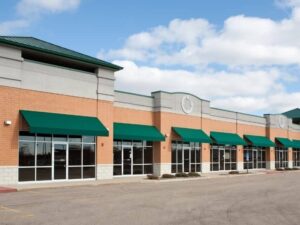 Buying one building is complex enough. Buying three, five, or ten in the same deal multiplies the chances of a mismatch. One building may sit on a parcel that isn’t in the legal description. A shared drive may cross land the seller doesn’t own.
An ALTA survey catches these problems before closing. It’s a detailed survey built to national standards set by the American Land Title Association and the National Society of Professional Surveyors. On a multi-building deal, buyers and lenders use it to confirm that every building, parcel, and access route lines up with the title.
Confirm Every Building Included in the Transaction
Start by listing every building the deal covers. The ALTA survey should show each one, where it sits, and which parcel it’s on. A building that’s missed on paper can create gaps in title coverage or the loan.
Include the smaller structures too. Parking decks, storage buildings, pump houses, trash enclosures, and covered walkways all count. Ask the seller for a site plan, plus a rent roll if the property is leased, so the surveyor can match each building to its address and use.
Decide early which Table A items you need. Table A is a list of optional extras in the ALTA standards, such as building size, height, and parking counts. Your lender or title company may ask for certain items, and needs can vary by lender and deal. Settle that list before the surveyor heads into the field.
Map Shared Access Between Buildings and Parcels
The survey should show how people and vehicles move between buildings and out to public roads. On multi-building sites, drives, parking lots, and walkways often cross parcel lines. The ALTA survey maps these routes and shows whether each one has recorded rights behind it.
Physical access and legal access can differ. A drive may have been used for years without a recorded easement. If the parcels are later sold or financed apart, that gap can cut a building off from the road.
Ask the surveyor to note every curb cut, gate, and entrance to the site. Check that each building can reach a public street over land that’s in the deal or covered by a recorded right. If one can’t, bring it to the title company and your attorney early.
Review Easements That Affect Separate Building Areas
A easements can hit one building and skip the next. An easement is a recorded right for someone else to use part of the land, like a utility company or a neighbor. The ALTA survey plots the easements listed in the title commitment so you can see exactly where they fall.
The title commitment is the title company’s list of what it will and won’t insure. Its Schedule B lists exceptions, which are items the policy won’t cover. On a multi-building site, a single exception might affect only one parking area or one building pad.
Watch for easements under buildings. A building sitting on a utility or drainage easement can limit what you do there later. Ask the surveyor to state clearly whether each easement affects the site, can’t be plotted, or doesn’t touch the land at all.
Compare Building Locations With Parcel and Title Records
Each building should sit where the records say it does. The surveyor compares what’s on the ground with deeds, plats, and the title commitment. Any building that crosses a parcel line, a setback, or an easement should show up on the drawing.
This matters most when parcels have different owners, loans, or legal descriptions. A building that straddles two parcels can cause trouble if those parcels are ever sold or refinanced apart. Encroachments, which are structures that cross a line, should be shown and measured.
Read the drawing with the title commitment open beside it. Mark anything that doesn’t match. Common items to look for include:
- Buildings or roof overhangs crossing parcel lines
- Walls, fences, or signs over the boundary
- Improvements inside setback lines
- Gaps or overlaps between parcel descriptions
Coordinate ALTA Survey Details Across the Entire Closing
Treat the ALTA survey as a shared document for the whole deal team. The buyer, lender, title company, and attorneys all rely on it. Everyone should work from the same version.
Send the surveyor the current title commitment and all recorded documents early. Share any lender survey requirements and the list of parties who need to be certified. The certification is a statement on the survey that names the parties who can rely on it.
Build in time for revisions. On a multi-building site, the first draft often raises questions about access, easements, or parcel lines. Give the surveyor, title company, and attorney room to resolve them before the closing date. If a closing or loan deadline depends on the survey, order it as soon as the contract is signed.
A multi-building deal has more moving parts than a single-building sale, and the survey has to account for all of them. A careful ALTA survey ties every building, drive, and easement back to the title. If you’re buying or financing a property with several buildings, talk with a licensed surveyor early so the survey fits your timeline and your lender’s needs.
For a free land surveying quote, call us at (561) 220-7505 or send us a message by going here.
Posted in ALTA survey | Tagged alta survey