
ALTA Land Survey Reviews Before Purchasing Older Office Buildings
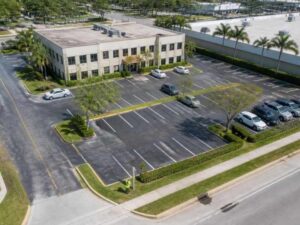
An older office building can look like a clean deal and hide problems no listing photo shows. An ALTA land survey is how a buyer sees what’s really on the site before the money moves. Decades of additions, repaved lots, and handshake access deals leave marks that only a survey catches. Skip that review and you can inherit an encroachment, a missing easement, or a parking lot that spills onto someone else’s land. For developers, reading the survey closely during due diligence prevents a costly surprise after closing. The older the building, the more history there is to check. This guide covers what the survey reveals, parking and access, hidden easements and encroachments, additions that don’t match the records, and the findings to settle before you close.
What an ALTA Land Survey Can Reveal About an Older Office Property
An ALTA land survey shows the real boundaries, buildings, parking, access, and recorded interests on an older office site, including things a walkthrough never catches. It maps where the property lines actually fall and how every improvement sits against them. That gives a buyer a factual picture instead of a hopeful one.
Older buildings carry years of layered changes. A survey ties the physical site to the legal record, so the two can be compared side by side. It plots the building footprint, the paved areas, and the utilities you can see. It also pulls in the easements and other interests listed in the title work. When the drawing and the deed disagree, that gap is exactly what due diligence is meant to catch before the deal closes.
An ALTA survey also follows a national standard, which matters for a commercial buyer. It’s built to a shared set of rules that lenders and title companies recognize, so everyone at the table reads the same drawing the same way. That consistency is why an ALTA survey carries more weight than a basic boundary sketch on a deal this size. It gives the whole team one trusted source for what’s on the land.
Parking Areas, Driveways, and Access Points Worth Reviewing
The survey shows exactly where the parking, driveways, and access points sit, and whether they stay on the property or lean on a neighbor’s land. Office deals often live or die on parking, so this part deserves real attention. A lot that looks fine can quietly cross a line.
Older sites tend to run on informal arrangements. A driveway might be shared with the property next door without a recorded agreement. Parking spaces can spill past the boundary onto land you won’t own. The survey shows whether the site’s access to the public road is truly yours or rides on someone else’s easement. It can also help you check that the parking count that fits on-site meets the local code. If an access or parking right isn’t recorded, that’s a question to raise before closing, not after.
Parking math is worth a second look on an aging office. Codes change over the decades, and a lot that was fine when it was built may fall short of today’s requirement. If you plan to add tenants or change the use, the count you inherit may not stretch to cover it. The survey gives you the real number of spaces and the room they take, so you can test the plan against the rules before you commit.
Easements and Encroachments Hidden in a Long-Standing Site Layout
Long-standing features can sit partly off the property, and the ALTA survey brings those easements and encroachments into the open. A fence, sign, or slab that’s been there for twenty years is not proof it belongs there. Years of use don’t make a line legal.
The survey flags the encroachments in both directions. A neighbor’s pavement, wall, or canopy may reach onto the office parcel. The office building’s own steps, awnings, or parking may push out past the line onto adjacent land or into a right-of-way. Utility easements crossing the site can also limit where you’d ever add on or rebuild. Each of these can affect value, use, and future plans. Seeing them on the survey lets you weigh them while you still have room to negotiate.
Building Additions That May Not Match the Original Plans
Older offices often gained additions and site changes over the years, and the survey lets you compare what’s actually built to the records and title. A wing added in the 1990s or a re-striped lot may never have made it onto the official plans. The paper and the property drift apart over time.
That drift can carry real risk. An addition built without a permit can become the new owner’s problem to fix. A structure that sits over an easement may have to be altered later. A footprint larger than the recorded description can raise questions with a lender or an insurer. Comparing the surveyed improvements against the title and any available plans shows where the building strayed from the record. Catching those mismatches during due diligence is far cheaper than discovering them during a future permit or sale.
Site work counts as much as the building. A retention pond, a new curb cut, or a rebuilt loading area may have changed the property in ways the old records never captured. Those changes can affect drainage, access, and even the buildable area you thought you were buying. The survey gives you a current picture to hold against the history, so nothing important slips through on the strength of an outdated plan.
Survey Findings to Discuss Before Closing on the Building
Treat the survey as a checklist for closing questions, and walk the boundary, access, easement, and improvement findings through your surveyor, title team, and lender. The survey rarely stands alone. Its value shows up when the right people review the flagged items together.
Start with your surveyor, who can explain any finding and confirm what it means on the ground. Bring the encroachments and easements to the title company, since some issues can be insured over and others need a fix. Ask the seller to cure a clear problem, or adjust the price to account for it. Confirm the lender and insurer are comfortable with what the survey shows, because their sign-off often depends on it. Give your attorney the same drawing, so any agreement or easement can be papered correctly before the deal is signed. The point is to resolve these findings before closing, while you still hold leverage, rather than owning them the day after the deal is done.
For a free land surveying quote, call us at (561) 220-7505 or send us a message by going here.
Posted in land surveying, land surveyor | Tagged alta survey